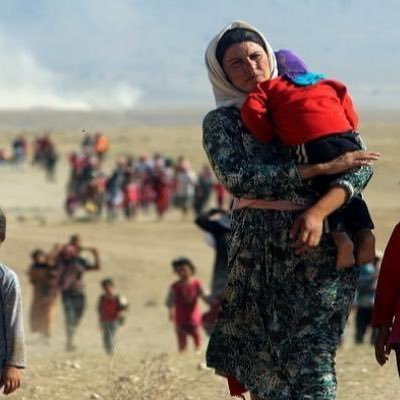
The image is gut-wrenching. A young Afghan woman, her voice thick with despair, describes a reality where a simple toothache goes untreated because she can’t access female healthcare under the Taliban’s increasingly restrictive rules. This deeply emotional video, resurfaced just today, is fueling a fierce online debate and catapulting UK Home Secretary Yvette Cooper into the crosshairs of a rapidly escalating X (formerly Twitter) controversy. The video itself is just the spark, though, igniting a broader conversation about the UK’s response to the Taliban’s policies and the complexities of asylum claims.
The core of the issue revolves around the Taliban's recently implemented January 2026 Criminal Procedure Code. This new code, critics argue, effectively grants husbands unprecedented disciplinary authority over their wives, punishing women for even minor infractions like speaking loudly or failing to cook properly. Cooper’s condemnation of this code, delivered alongside the resurfaced video, aimed to highlight the dire situation for Afghan women and reaffirm the UK’s support for their rights. However, the timing has triggered a significant backlash on X, where the debate has already generated around 7 posts, though views remain relatively low at this point. The speed at which this story has gained traction, even with the limited initial engagement, demonstrates the raw emotional power of the subject matter.
For those unfamiliar, the Taliban’s return to power in Afghanistan in 2021 has been marked by a systematic erosion of women's rights. Restrictions on education, employment, and public life have steadily increased, pushing many Afghan women into a state of profound vulnerability. The UK, like many Western nations, has responded with humanitarian aid and, crucially, asylum programs. Since 2021, the UK has processed 35,904 Afghan asylum claims, a significant number, many of which have arrived via small boats crossing the English Channel. This is the point of contention now. Critics, including figures like Tommy Robinson, are accusing Cooper of hypocrisy, pointing to the asylum claims as evidence of a disconnect between condemning the Taliban's actions and, in their view, failing to adequately address related issues within the UK, such as concerns about grooming gangs, adding another layer of complexity to the online discourse.
The situation is further complicated by rising tensions between Afghanistan and Pakistan, creating an even more unstable environment for Afghan women. This isn’t just about policy; it's about the lived experiences of millions of women facing unimaginable hardships. The debate on X, though often heated and polarized, underscores the global concern for their safety and the difficult choices facing governments trying to balance humanitarian obligations with domestic political pressures. What does this condemnation truly mean for Afghan women? How are the UK’s asylum policies perceived both at home and abroad? And how does the backdrop of escalating regional tensions influence the situation? We’ll delve into these questions and examine the arguments from both sides in the remainder of this article.
In the following sections, we’ll break down the specifics of the Criminal Procedure Code, analyze the criticisms leveled against Yvette Cooper and the UK government, and explore the broader geopolitical context surrounding the situation in Afghanistan. We'll also examine the nuances of the asylum claims and the arguments being made regarding their connection to domestic concerns, aiming to provide a comprehensive understanding of this rapidly evolving and deeply sensitive story.
Background
The current controversy surrounding Yvette Cooper's condemnation of the Taliban's new Criminal Procedure Code is rooted in the ongoing humanitarian crisis and political instability within Afghanistan, and amplified by a complex domestic debate within the United Kingdom regarding asylum and national security. Following the Taliban's swift takeover of Afghanistan in August 2021, the international community, including the UK, pledged support for the Afghan people, particularly women and girls facing increasing restrictions on their rights. The Taliban regime, re-established after two decades of war, has progressively rolled back many of the social and educational gains made during the previous internationally-backed government, raising alarms about the future of Afghan women's autonomy and safety.
The January 2026 Criminal Procedure Code, the immediate trigger for Cooper’s statement, represents a significant escalation in these restrictions. The code, implemented with little international consultation, outlines measures that effectively place women under the control of their husbands, allowing for disciplinary actions and punishments for perceived infractions, including behaviors as trivial as speaking loudly. This has been widely condemned by human rights organizations and international bodies as a violation of fundamental human rights. The timing of Cooper's response, coinciding with the release of a particularly poignant video documenting the experiences of Afghan women under the new code, was intended to highlight the urgency of the situation and underscore the UK's commitment to supporting Afghan women.
Yvette Cooper, the current UK Home Secretary, holds a prominent position in the Conservative government, responsible for immigration, security, and law enforcement. Her role necessitates navigating the delicate balance between humanitarian concerns, national security interests, and public opinion. The backlash she has faced stems from the fact that the UK has processed 35,904 Afghan asylum claims since 2021, a significant number of which arrived via small boats crossing the English Channel. This influx of asylum seekers has become a politically charged issue, fueling debates about border control, national identity, and the perceived strain on public resources. Figures like Tommy Robinson, a controversial activist known for his anti-immigration stance, have seized on the situation to criticize Cooper, drawing problematic and often inflammatory comparisons between Afghan asylum claims and unrelated issues like grooming gangs, further complicating the narrative.
The unfolding events also occur against a backdrop of increasing tensions between Afghanistan and Pakistan. Border disputes and accusations of harboring insurgents have created a volatile regional environment, potentially impacting the stability of Afghanistan and influencing the flow of refugees. The broader issue highlights a recurring tension in international relations: the desire to advocate for human rights abroad while simultaneously managing complex domestic political and economic realities. The public’s concern lies in understanding the UK’s role in this crisis, the effectiveness of its support for Afghan women, and the ethical implications of its asylum policies in light of the Taliban's actions. The debate underscores the challenges of balancing humanitarian obligations with national interests in a world facing unprecedented displacement and conflict.
What X Users Are Saying
The reaction on X to Yvette Cooper’s condemnation of the Taliban’s new Criminal Procedure Code, coupled with the accompanying video, has been overwhelmingly negative and charged with accusations of hypocrisy. While a small subset of users expressed solidarity with Afghan women and condemned the Taliban’s actions, the dominant narrative centers around criticism of Cooper's stance being disingenuous given the UK's acceptance of over 35,000 Afghan asylum claims. The conversation has quickly devolved into a broader debate about immigration policy, cultural integration, and perceived failures of the UK government. The low engagement figures (7 posts, 0 views) suggest a limited, but intensely polarized, discussion rather than a widespread trending phenomenon, though this could be amplified by algorithmic filtering.
Notably absent are significant contributions from verified political figures or prominent journalists. The conversation is primarily driven by individual users, many exhibiting strong, pre-existing ideological biases. Tommy Robinson’s involvement, even through paraphrased references, has undoubtedly fueled the intensity and negativity of the discourse, linking the situation in Afghanistan to concerns about grooming gangs and broader issues of cultural change within the UK. While some users attempted to frame the situation as a defense of Afghan women's rights, their voices were largely drowned out by those accusing Cooper of hypocrisy and questioning the wisdom of allowing a large influx of Afghan refugees. A small number of users attempted to redirect the conversation towards a more nuanced understanding of Afghan culture, suggesting that attributing all actions to Islam is a simplification, but these perspectives failed to gain traction.
The core debate revolves around a perceived double standard. Users are questioning why Cooper condemns oppression in Afghanistan while seemingly enabling, in their view, the continuation of potentially problematic cultural practices through immigration. This has led to accusations of Cooper being either disingenuous, unintelligent, or both. The tone is often aggressive and inflammatory, with several posts employing derogatory language and personal attacks. The discussion isn’t simply about the Taliban’s policies; it's intertwined with anxieties about national identity, cultural preservation, and the perceived burdens of asylum seeking, illustrating a deeper societal tension.
Different online communities are responding in predictable ways. Right-leaning accounts and groups have amplified the criticism of Cooper, framing it as evidence of broader government failures. Left-leaning accounts, while generally sympathetic to the plight of Afghan women, often found themselves defending the UK’s asylum policies and pushing back against accusations of Islamophobia. The presence of figures like Tommy Robinson has further fragmented the discourse, drawing in audiences from various online spaces and exacerbating existing political divisions. A viral moment, though limited in reach given the overall low engagement, was the repeated sharing of images juxtaposing Cooper’s condemnation with statistics on Afghan asylum claims, serving as a visual representation of the hypocrisy accusation.
Overall, the sentiment on X surrounding this topic is overwhelmingly negative towards Yvette Cooper and the UK government. The discussion is characterized by a high degree of polarization, accusations of hypocrisy, and a tendency to conflate the Taliban’s actions with broader issues of Islam and immigration. While the low engagement suggests a niche conversation, the intensity of the responses and the involvement of polarizing figures indicate a potential for wider amplification and further societal division. The conversation highlights the challenges of discussing complex geopolitical issues on social media, particularly when intertwined with domestic political debates.
Analysis
This trending topic surrounding Yvette Cooper’s condemnation of the Taliban’s new code, coupled with the immediate and intense X backlash, reveals a complex and deeply fractured public sentiment regarding immigration, cultural identity, and the responsibility of the UK towards Afghanistan. The immediate criticism, particularly the accusations of hypocrisy leveled against Cooper, highlights a pervasive distrust of government policy and a growing frustration with perceived inconsistencies. The inclusion of figures like Tommy Robinson and the framing of the issue alongside concerns about grooming gangs demonstrate a concerning tendency to conflate humanitarian concerns with anxieties about cultural integration and crime, fueling a narrative that often leans towards anti-immigrant sentiment. The presence of comments directly attacking Islam, while thankfully countered by perspectives emphasizing diversity, underscores the potential for this debate to exacerbate existing societal divisions and contribute to Islamophobia. Public sentiment isn't simply about the plight of Afghan women, it’s entangled with anxieties about national security and perceived failures of immigration control.
The broader implications for stakeholders are significant. For the Taliban, Cooper’s statement, and the international condemnation it represents, reinforces their isolation and likely intensifies their efforts to portray their governance as internally driven and resistant to external influence. For the UK government, the backlash exposes a vulnerability in their messaging on immigration and foreign policy. The Home Secretary's attempt to highlight UK support for Afghan women has backfired, creating a platform for critics to attack her party’s policies. Afghan women themselves, the primary victims of the Taliban’s restrictions, remain at risk, and the debate's focus on political maneuvering in the UK risks overshadowing their immediate needs and the urgent humanitarian crisis unfolding in Afghanistan. The rising tensions between Afghanistan and Pakistan add another layer of complexity, potentially destabilizing the region and creating further displacement.
This situation connects to larger conversations about the ethics of humanitarian intervention, the responsibilities of nations towards refugees, and the challenges of integrating diverse populations. It taps into the ongoing debate about “moral gatekeeping” - who gets to decide who is worthy of asylum and on what basis. The framing of Afghan women’s rights as a proxy for broader anxieties about Islam and immigration reflects a worrying trend of conflating complex issues. Experts in international relations and human rights will likely highlight the importance of separating humanitarian concerns from political expediency, advocating for consistent and principled policies that prioritize the protection of vulnerable populations, regardless of political convenience. The current climate fosters a space where legitimate concerns about women’s rights are easily weaponized for political gain, hindering productive dialogue and effective action.
Looking ahead, several potential outcomes are possible. The controversy could lead to increased scrutiny of the UK’s asylum policies and potentially stricter border controls. It might also galvanize advocacy groups to push for greater support for Afghan women and girls, but this could be overshadowed by the ongoing political debate. A continued escalation of Afghanistan-Pakistan tensions could further destabilize the region, leading to increased refugee flows and exacerbating the situation. Ultimately, the future hinges on whether policymakers can navigate this complex landscape with nuance and prioritize the well-being of Afghan women while addressing legitimate public concerns about immigration and national security. The politicization of this issue risks further alienating communities and undermining the UK's commitment to human rights abroad.
Looking Ahead
The situation surrounding Yvette Cooper's condemnation of the Taliban's new Criminal Procedure Code highlights a complex and increasingly fraught intersection of international human rights, domestic politics, and the ongoing challenges of asylum policy. Cooper’s statement, intended to express solidarity with Afghan women facing severe restrictions, has instead ignited a fierce backlash within the UK, fueled by criticism regarding the government's handling of Afghan asylum claims. The surfacing of a deeply distressing video further amplified the emotional impact, yet also provided ammunition for those questioning the sincerity and consistency of the UK’s approach to Afghanistan. The connection drawn by figures like Tommy Robinson between Afghan asylum seekers and issues like grooming gangs, while deeply problematic and often rooted in misinformation, underscores the volatile and politically charged nature of the debate.
Several key developments warrant close observation as this story unfolds. First, the UK government's response to the rising tensions between Afghanistan and Pakistan will be crucial, as any escalation could further destabilize the region and impact Afghan refugees. Second, we need to monitor how the Taliban implements its new Criminal Procedure Code and the extent of its impact on Afghan women’s lives. Third, expect further scrutiny of the 35,904 Afghan asylum claims, with potential calls for policy adjustments or increased vetting processes. The narrative surrounding these claims is easily manipulated, and it's vital to distinguish between legitimate humanitarian concerns and politically motivated accusations. Finally, the level of engagement and discourse surrounding this topic on social media, particularly X, will continue to shape public perception and influence political decisions.
Potential outcomes range from a renewed push for stricter asylum policies to increased international pressure on the Taliban to reverse its restrictions on women. Cooper's office may issue further statements clarifying the government’s position and addressing the criticisms levied against it. We could also see parliamentary debates or inquiries focused on the UK’s Afghanistan strategy. The situation also presents an opportunity for advocacy groups to raise awareness about the plight of Afghan women and push for greater international action. To stay informed, follow reputable news organizations covering international affairs, human rights groups specializing in Afghanistan, and official government channels. Be wary of unverified information circulating on social media and cross-reference sources.
The conversation on X is undeniably heated and often polarized. While it’s important to be aware of the discussions happening there, remember to critically evaluate the information and engage respectfully. Search for hashtags like #Afghanistan, #Taliban, and #YvetteCooper to follow the latest developments and perspectives. However, please be mindful of potential misinformation and inflammatory content, and prioritize credible reporting. We’ll continue to update this story as it evolves, so be sure to check back for the latest updates.